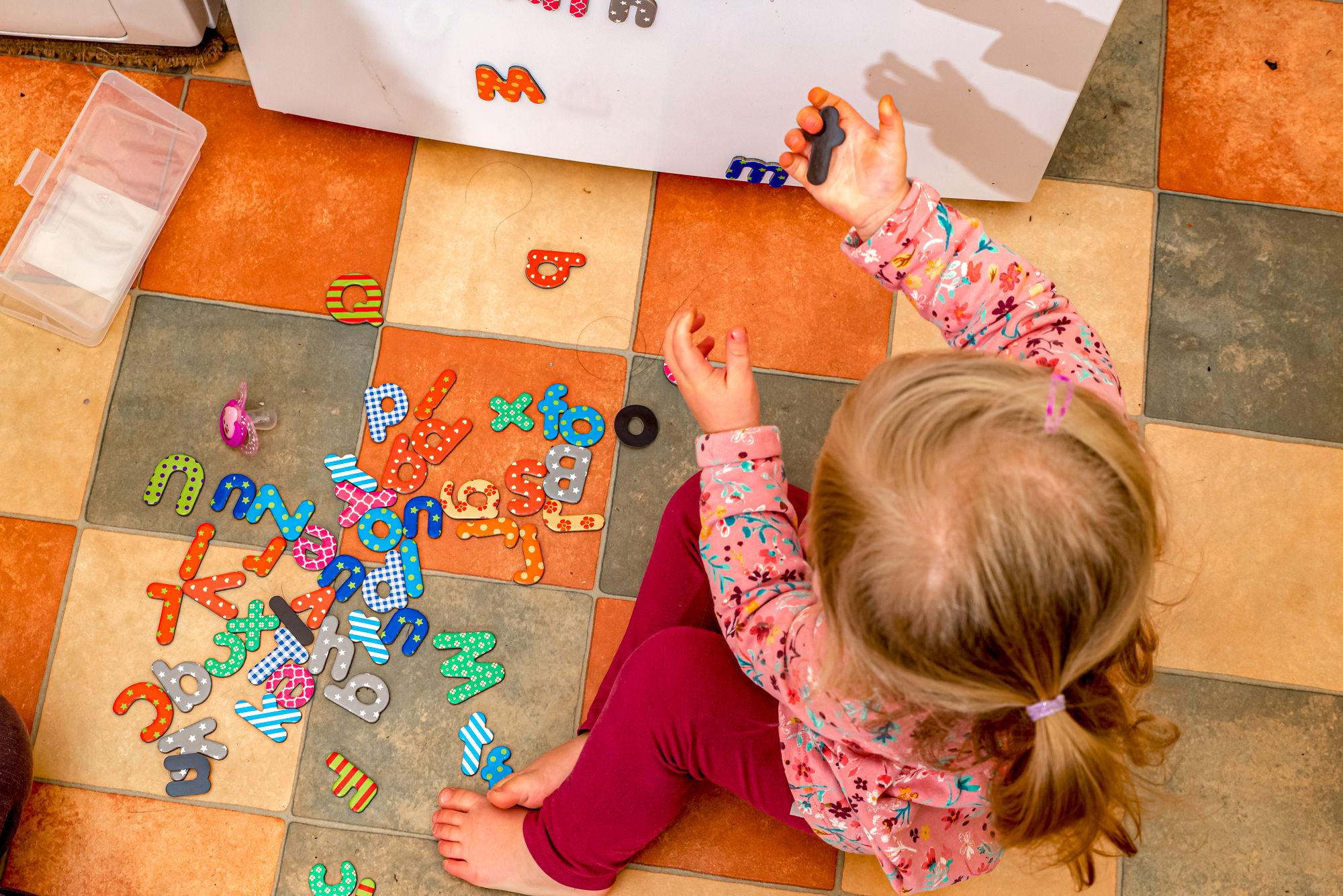
Indoor games for kids are more than just a fun way to pass the time—they play a crucial role in their development. These games can enhance cognitive scr2u skills, improve motor coordination, foster creativity, and encourage social interaction. When the weather isn’t conducive to outdoor play, indoor games are the perfect way to keep kids entertained and engaged.
In this article, we’ll explore some of the best indoor games that not only entertain but also promote learning, development, and socialization for kids of various ages. Whether you’re looking for games that promote physical activity, mental stimulation, or creativity, there’s something for every child in this list.
- Building Blocks (LEGO, Wooden Blocks, and More)
Building blocks, such as LEGO sets or traditional wooden blocks, are one of the most versatile indoor toys for kids. These simple toys provide endless hours of entertainment while helping to develop critical skills.
How They Help:
Enhance Fine Motor Skills: Manipulating small blocks improves hand-eye coordination and dexterity.
Stimulate Creativity: Kids can build anything from houses to castles to entire cities, allowing their imagination to flourish.
Foster Problem-Solving: As kids figure out how to balance and connect blocks, they develop spatial awareness and engineering skills.
Building blocks are perfect for children of all ages. Younger children can start with larger blocks, while older kids can tackle more complex builds with smaller pieces.
- Puzzles: Challenge the Mind
Puzzles are a great way to boost brain function, patience, and problem-solving abilities. Whether they’re jigsaw puzzles, word puzzles, or math-based puzzles, these games encourage critical thinking and concentration.
How They Help:
Develop Cognitive Skills: Solving puzzles promotes logical thinking, pattern recognition, and memory.
Improve Attention Span: Completing a puzzle requires focus and the ability to stay on task.
Encourage Patience: Puzzles teach children that some things take time and effort to complete.
For younger kids, start with simple puzzles with fewer pieces, and as they get older, increase the complexity to challenge them further.
- Hide and Seek: Classic Fun with Physical Activity
Hide and Seek is a timeless game that kids love and is easy to play indoors. Not only is it a fun activity, but it also helps with physical and social development.
How It Helps:
Physical Activity: Running, hiding, and seeking involve gross motor movements, which are great for physical health.
Social Interaction: This game teaches children how to take turns, cooperate, and communicate.
Cognitive Development: The game encourages problem-solving, as kids figure out where to hide or how to search effectively.
This game is perfect for all age groups and can be easily adapted for both small and large indoor spaces.
- Simon Says: Following Directions and Listening Skills
Simon Says is a simple but highly effective game that promotes listening skills and following directions, which are important aspects of a child’s cognitive development.
How It Helps:
Improves Listening Skills: Kids need to listen carefully to the leader’s commands, developing their ability to focus and follow instructions.
Enhances Self-Control: Children must resist acting until the command starts with “Simon says,” teaching impulse control.
Promotes Physical Movement: Simon Says often involves physical activity, helping kids burn off energy in a fun way.
This game can be modified for all ages, and even younger kids can participate by giving simple commands like “touch your toes” or “clap your hands.”
- Arts and Crafts: Nurturing Creativity and Motor Skills
Arts and crafts activities like drawing, painting, or making collages are excellent for fostering creativity and improving fine motor skills.
How They Help:
Stimulate Creativity: Art allows children to express themselves freely and develop unique ideas.
Improve Fine Motor Skills: Using scissors, crayons, markers, and glue helps refine hand-eye coordination.
Build Confidence: Completing an art project boosts a child’s self-esteem and sense of accomplishment.
These activities can be tailored to suit kids of all ages, from simple coloring for toddlers to more complex crafts like paper mache for older children.
- Indoor Obstacle Course: Fun Physical Challenge
Creating an indoor obstacle course can turn any room into a mini gym. Using furniture, pillows, and other household items, you can design a fun and challenging course that gets kids moving.
How It Helps:
Enhances Physical Strength: Crawling under tables, jumping over cushions, and climbing over obstacles work various muscle groups.
Improves Coordination: Children must navigate obstacles, which helps improve their balance and motor coordination.
Encourages Problem-Solving: Kids need to figure out the best way to complete the course in the least amount of time.
Obstacle courses can be customized for different age groups by adjusting the difficulty of the obstacles, making this a fun activity for the whole family.
- Musical Chairs: Fun with Music and Movement
Musical chairs is a traditional game that involves music, movement, and quick thinking. It’s a perfect way to engage kids and get them moving indoors.
How It Helps:
Physical Movement: The game requires kids to walk, run, and quickly find a chair when the music stops, promoting gross motor activity.
Social Interaction: Kids learn to take turns and interact with peers in a social setting.
Promotes Quick Thinking: The fast-paced nature of the game teaches kids how to make quick decisions.
This game is ideal for parties or group settings and can be easily adapted to suit a variety of age groups.
- Indoor Bowling: Precision and Fun
Indoor bowling can be easily set up using plastic bottles and a soft ball. It’s a great way to combine fun and precision, teaching kids valuable motor skills.
How It Helps:
Improves Hand-Eye Coordination: Bowling requires precision and focus, helping children improve their coordination.
Builds Social Skills: This game can be played in teams, fostering communication and cooperative play.
Teaches Fair Play: Children learn how to compete fairly and enjoy the game regardless of the outcome.
Indoor bowling is easy to set up and can be played individually or in small teams, making it perfect for rainy days.
- Scrabble or Word Games: Building Vocabulary and Language Skills
Games like Scrabble or other word-based games encourage kids to think about letters, words, and their meanings in a fun, interactive way.
How They Help:
Enhance Vocabulary: Scrabble and similar games help expand a child’s vocabulary by introducing new words.
Improve Spelling and Reading Skills: Kids practice spelling and word recognition while playing these games.
Promote Strategic Thinking: In games like Scrabble, kids must think strategically about where to place their tiles for the best score.
This game is suitable for older kids, and it can be adapted for younger children by simplifying the rules or using letter tiles to form basic words.
- Indoor Scavenger Hunt: Problem Solving and Exploration
Scavenger hunts are a great way to engage kids while encouraging them to explore their environment. Whether you’re hiding small toys, clues, or even everyday objects, scavenger hunts are fun and educational.
How They Help:
Encourage Problem-Solving: Kids need to think critically and follow clues to find the next object or goal.
Promote Exploration: Scavenger hunts encourage kids to explore their surroundings and engage with their environment.
Improve Social Skills: When played in groups, scavenger hunts teach collaboration, teamwork, and sharing.
Scavenger hunts are highly customizable and can be adapted for all age groups. You can make them simple for younger kids or more complex for older children by introducing riddles or themed hunts.
Conclusion: The Value of Indoor Play for Kids
Indoor games are a fantastic way to keep kids entertained while promoting their physical, mental, and emotional development. Whether it’s building with blocks, solving puzzles, or playing games that involve movement, these activities contribute to the overall growth and well-being of children. In addition, indoor games provide a safe and engaging environment for kids to learn social skills like cooperation, turn-taking, and communication.

